
Sustainable Packaging: A Decade of Transformation Awaits


A considerable part of this year has been spent in the research and creation of a comprehensive report that sought to answer the question what to expect from sustainable packaging. This was not limited to a specific geography, market, material or part of the value chain but rather includes everything. There are suggestions within the report chapters, which are designed to guide companies away from inefficiency, waste and non sustainable practices towards a circular economy. This is a high level overview of the report, there will be weekly insights from each chapter as we move towards release at the start of 2025.
This report is exhaustively researched and based on interviews with packaging executives in all FMCG markets as well as retailers so that it provides the most balanced and informed view of the road ahead. Please do not hesitate to reach out if you have any questions!
1. Waste Management
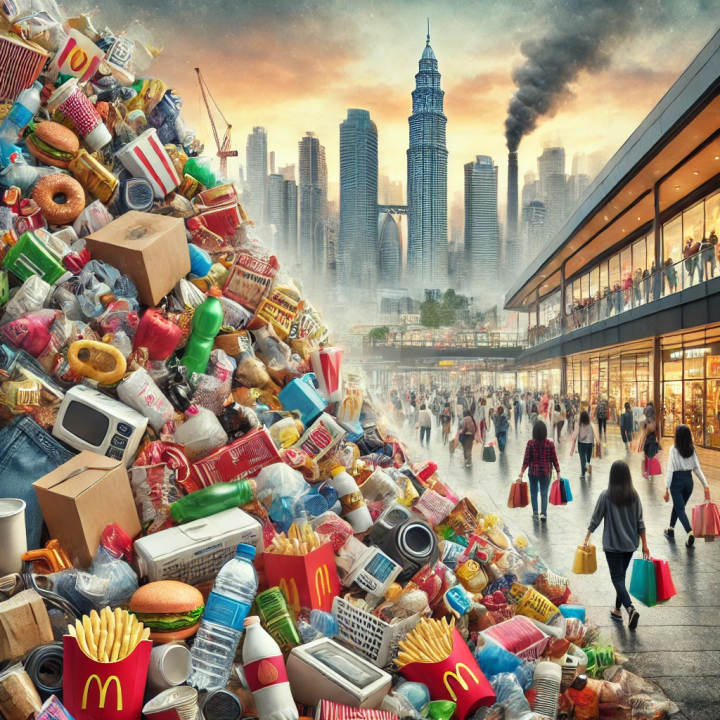
Key Takeaways: Effective waste reduction strategies require a shift from landfill dependency (currently 70%) to recycling-focused disposal methods. Investing in infrastructure for sorting and recycling can decrease landfill use by up to 40% by 2035. Even small steps taken now can have a significant effect. Action now can hold municipal solid waste at 2.2 Billion tons, as against the 2.4 that will occur with no intervention.
Optimized Resource Placement: Invest in waste separation at the source and recycling infrastructure improvements to handle increased volumes and avoid environmental penalties. Cease single use packaging that goes straight to landfill and retain materials in manufacturing longer, through reuse, refill, recycle and upcycling.
Areas to Avoid: Reducing landfill use without improving collection and sorting infrastructure may yield minimal impact. Compostable is not a long term solution, though it can reduce amount in landfill it is linear not circular manufacturing. Waste streams need to be in place to divert from landfill to ensure it stays out of landfill.
2. Regulations
Key Takeaways: Stricter regulations, particularly in the EU, are pushing towards single-use plastics bans and higher recycling mandates. Extended Producer Responsibility (EPR) is essential for compliance. They have to be achievable , enforceable and clear; banning a material when there is not an alternative should be avoided as it is simply transferring the problem. Companies and suppliers have to be involved in the setting of policy to prevent regulation that creates more issues than it solves.
Optimized Resource Placement: Allocate resources toward EPR-compliant processes and adapt packaging designs to be flexible across regulatory landscapes. Set global , clear, uniform standards so that companies can comply and provide products anywhere.
Areas to Avoid: Over-reliance on single-use packaging may lead to compliance challenges as global policies tighten. Claims must be substantiated , and any "greenwashing" must be eradicated. Expect more opportunities for people to bring their own containers to shops or restaurants to reduce single use takeaway packaging.
3. Recycling Technologies
Key Takeaways: Emerging technologies, such as AI-driven sorting and chemical recycling, are critical to increasing recycling rates, especially for hard-to-recycle materials. Chemical recycling faces a challenge in capacity and infrastructure in the next 10 years.
Optimized Resource Placement: Prioritize investments in advanced recycling and automation technologies to achieve a competitive advantage and meet regulatory standards. Focus on staying as high up the Waste Hierarchy as possible in order to make the biggest difference and reduce resource use as much as possible.
Areas to Avoid: Mechanical recycling alone may not suffice for complex packaging types; avoid heavy investment here without complementary technologies
4. Brand and Retail Behavior
Key Takeaways: Brands are working to increase reusable, recyclable, or compostable packaging to 70% by 2035. However, the adoption of reuse models is only at 1.2%, with significant room for improvement.
Optimized Resource Placement: Focus on reusable packaging infrastructure, enhance consumer awareness, and incorporate recycled content to meet future goals.
Areas to Avoid: Low-impact targets like partial recyclability or non-durable reuse models without comprehensive consumer education could waste resources
5. Consumer Behavior
Key Takeaways: The "intention-action gap" in recycling indicates consumers' lack of participation despite a high awareness of sustainability. Targeted education can shift consumer behavior toward sustainable disposal.
Optimized Resource Placement: Develop education campaigns and simple recycling guidelines to maximize public participation.
Areas to Avoid: Complex recycling instructions or costly multi-material packaging can deter consumer action, even if technically sustainable
6. Market Developments
Key Takeaways: Sustainable packaging demand is driven by food, beverage, personal care, and pharmaceutical sectors. Biodegradable plastics and monomaterial options are increasingly favored.
Optimized Resource Placement: Prioritize durable monomaterial solutions for easier recycling and materials with enhanced barrier properties for sensitive applications.
Areas to Avoid: Avoid overinvesting in multilayer flexible packaging without recycling innovations, as it complicates disposal
7. Packaging Technology
Key Takeaways: Sustainable packaging requires advancements in bioplastics, lightweight materials, and molded paper for eco-friendly designs. Packaging must balance strength, barrier properties, and thermal resistance.
Optimized Resource Placement: Direct R&D efforts towards materials that fulfill both functionality and sustainability, such as bioplastics and renewable fibers.
Areas to Avoid: Costly traditional plastics without sustainable alternatives; they may face tighter regulations soon
8. Digitalization and Data Analytics
Key Takeaways: Leveraging data to track material usage, consumer recycling rates, and supply chain transparency can enhance sustainability.
Optimized Resource Placement: Invest in digital solutions that offer traceability and analytics for continuous improvement in packaging processes.
Areas to Avoid: Digitalization without clear data usage objectives may lead to redundant costs without notable impact.
9. Circular Economy and Policy Changes
Key Takeaways: Circular economy models (reduce, reuse, recycle) are increasingly mandated. Full circular systems can significantly reduce waste and emissions.
Optimized Resource Placement: Focus on reusable models and incentivize consumers to participate in closed-loop systems.
Areas to Avoid: Avoid purely linear approaches; they risk becoming obsolete as circular models become more standard.
🌱 Overview & Insights by Material:
1. Plastic Packaging
Expected Growth: 50% growth
Key Drivers: Rising demand for bioplastics and advancements in chemical recycling. With regulatory pushes aiming for 60% recycling rates and landfill reductions of up to 75%, plastic recycling infrastructure will be a priority.
Actionable Insight: Investment in advanced recycling technologies like AI-driven sorting and chemical recycling will be essential for tackling hard-to-recycle plastics and meeting regulatory targets.
2. Paper Packaging
Expected Growth: 37% growth
Key Drivers: Increased use in e-commerce, logistics, and transportation due to paper’s recyclability and consumer preference for sustainable choices.
Actionable Insight: Focus on optimizing recycling processes for paper with enhanced barrier properties to meet food and consumer goods packaging needs.
3. Metal Packaging
Expected Growth: Beverage cans forecasted to grow 33% by 2035.
Key Drivers: Deposit return schemes and strong recycling rates drive metal’s popularity for beverages.
Actionable Insight: Executives should prioritize recyclable components in aerosol and dispensing formats and explore opportunities in markets that demand high barrier protection.
4. Glass Packaging
Expected Outcome: Maintain high recycling rates with potential growth in returnable bottle systems.
Key Drivers: Glass’s reusability and consumer perception as a premium material make it a preferred choice for brands with a strong sustainability focus.
Actionable Insight: Companies should strengthen return systems and enhance sorting technologies for higher recycling efficiencies
5. Flexible Plastic Packaging
Forecast: volume to double by 2035.
Key Drivers: The shift toward PE monomaterial structures for recyclability and advancements in compostable films.
Actionable Insight: Prioritize investments in compostable technology and design-for-recyclability strategies, as regulations are increasingly favoring recyclable and compostable options.
These takeaways and targeted resource suggestions allow packaging executives to align with emerging industry standards, meet regulatory demands, and optimize their sustainability efforts strategically.

Comments